




As COVID-19 accelerates digital transformation, is the internet safe for women in the Middle East
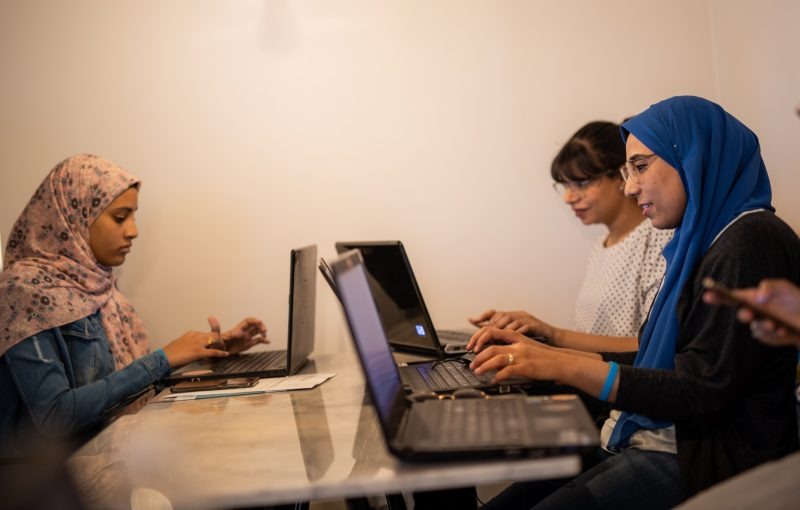
The COVID-19 pandemic has forced countries into lockdown and quarantine. Trapped at home, many people have turned to the internet to continue their daily routines from shopping, working, and learning to communicating and socializing. It’s likely that it will have a lasting impact well after the pandemic ends.
However, offline gender norms and violence are amplified online, which means that women are less likely to benefit from this digital transformation as much as men. In the Middle East and North Africa (MENA) region, online abuse and harassment have been forcing some women to self-censor and disengage from public discourse.
The internet is a double-edged sword. The online world is a reflection of offline realities. New technologies replicate limited environments that women navigate offline. Virtual spaces extend and perpetuate offline inequalities in terms of power dynamics and patriarchal gender norms.
Online abuse that targeted women increased in March 2020 during confinement by 50 percent similar to the surge in domestic violence, according to the office of the eSafety Commissioner in Australia.